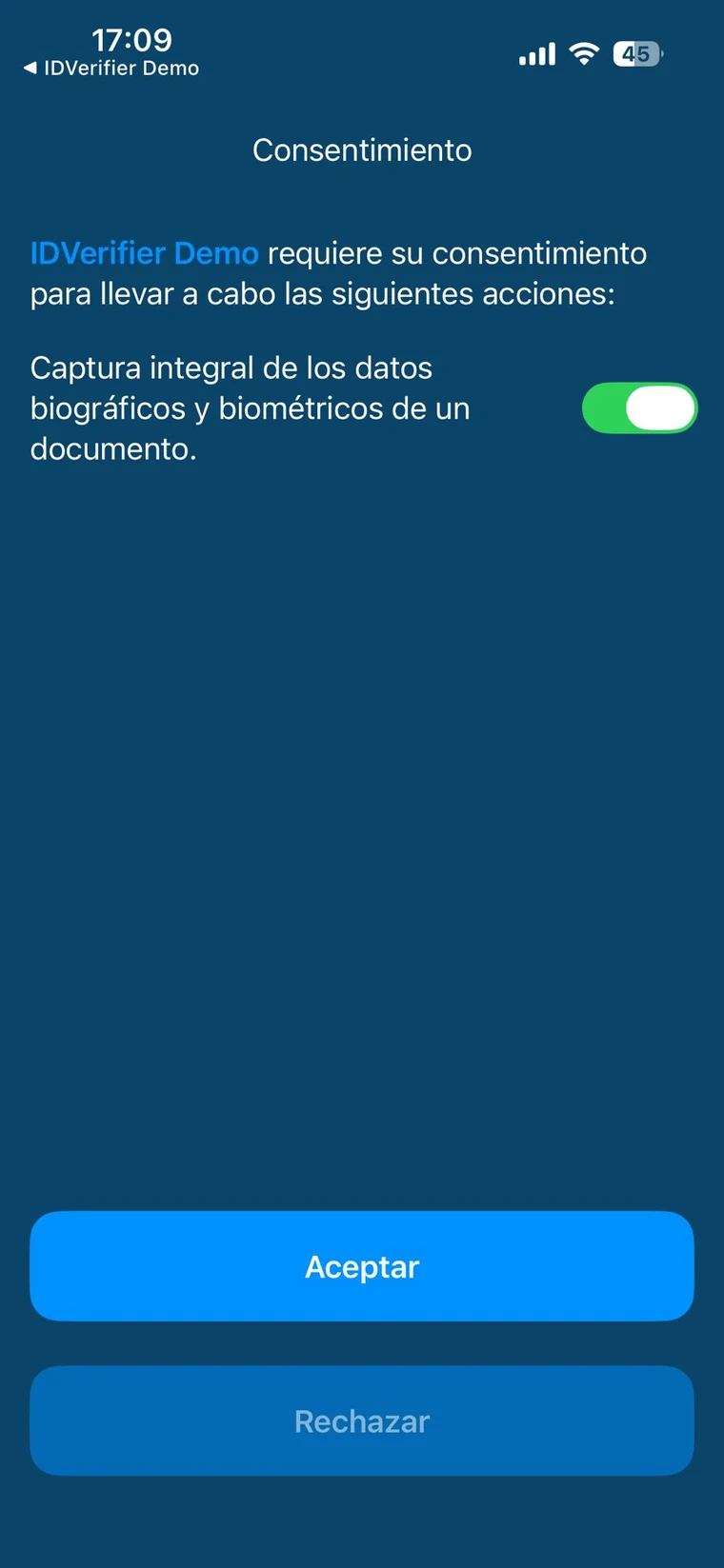
State 01 Consent
The user decides what is shared before the result is released.
Closed Beta · Invitation only
Document and biometric identity verification processed on the device, with no biometric data stored. Integrate it with a single lightweight SDK or a simple call, for web and mobile.
 Closed Beta
 The user decides what is shared before the result is released.
When biometrics move across SDKs, backends and custodians, operating complexity grows before trust actually improves.
Every extra vendor or backend expands the perimeter your team has to justify and protect.
Every handoff of sensitive data adds new leak points, operating risk and legal review.
Changing a rule, vendor or flow usually turns into rework across multiple teams and SDKs.
Conventional vs IDVerifier
The experience is often split across multiple SDKs, handoffs and checks that feel like separate products.
A single entry point leads the user into one coherent mobile verification experience.
Validation often depends on sending or duplicating sensitive data outside the device.
The critical check stays on the device and only the authorized outcome leaves it.
More systems mean more controls, more justification and more audit surface.
Fewer sensitive moving parts make retention, access and traceability easier to explain.
Updating the flow reopens integrations, QA and vendor coordination.
A tighter model shortens change cycles, testing and rollout.
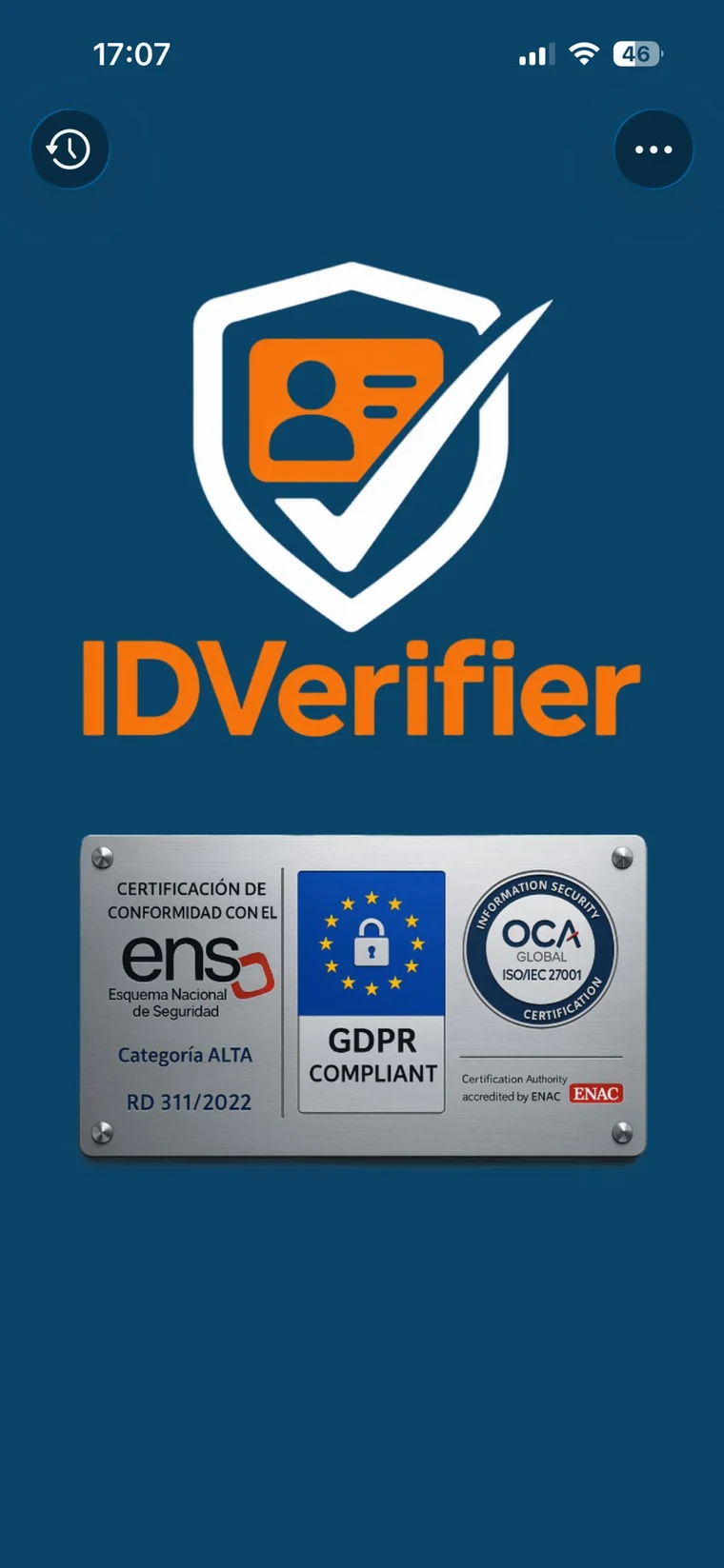
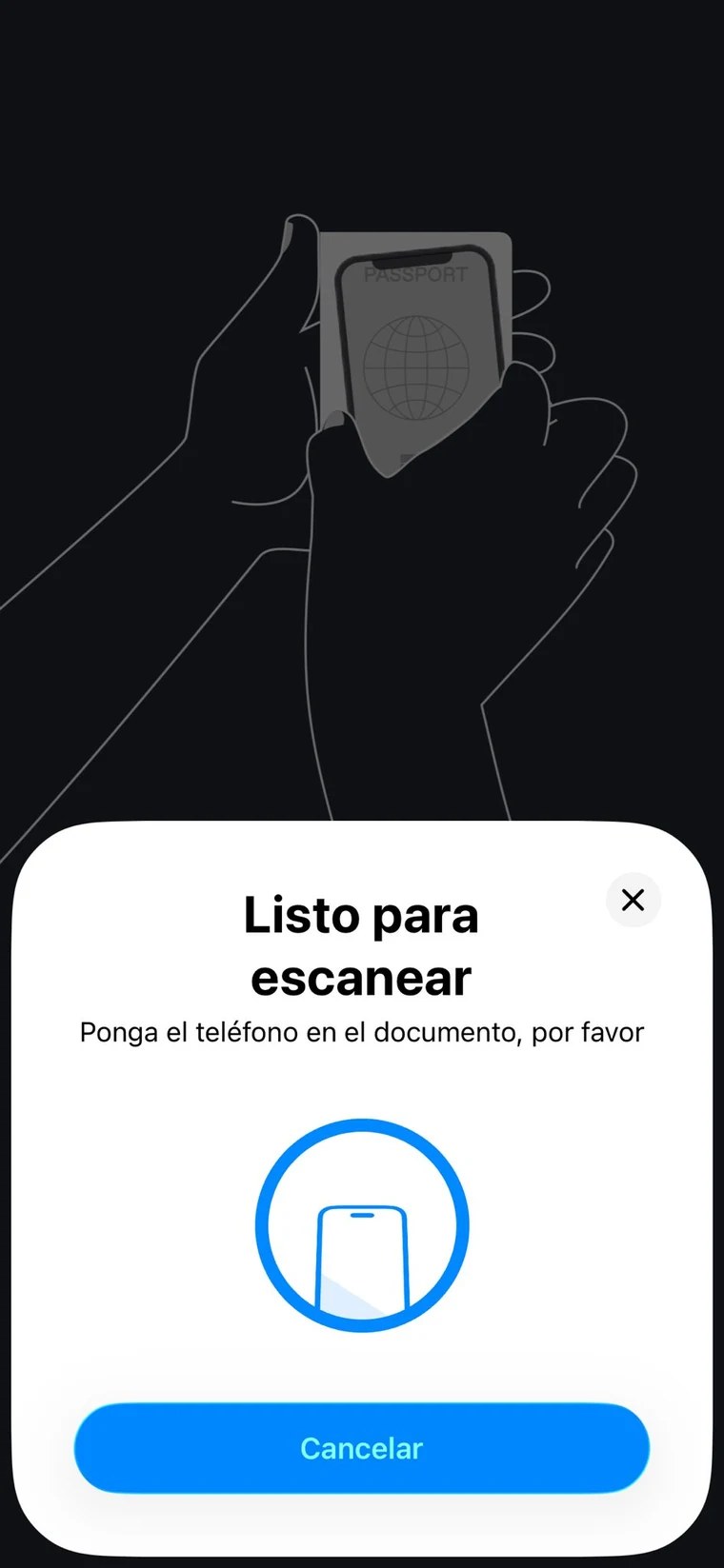
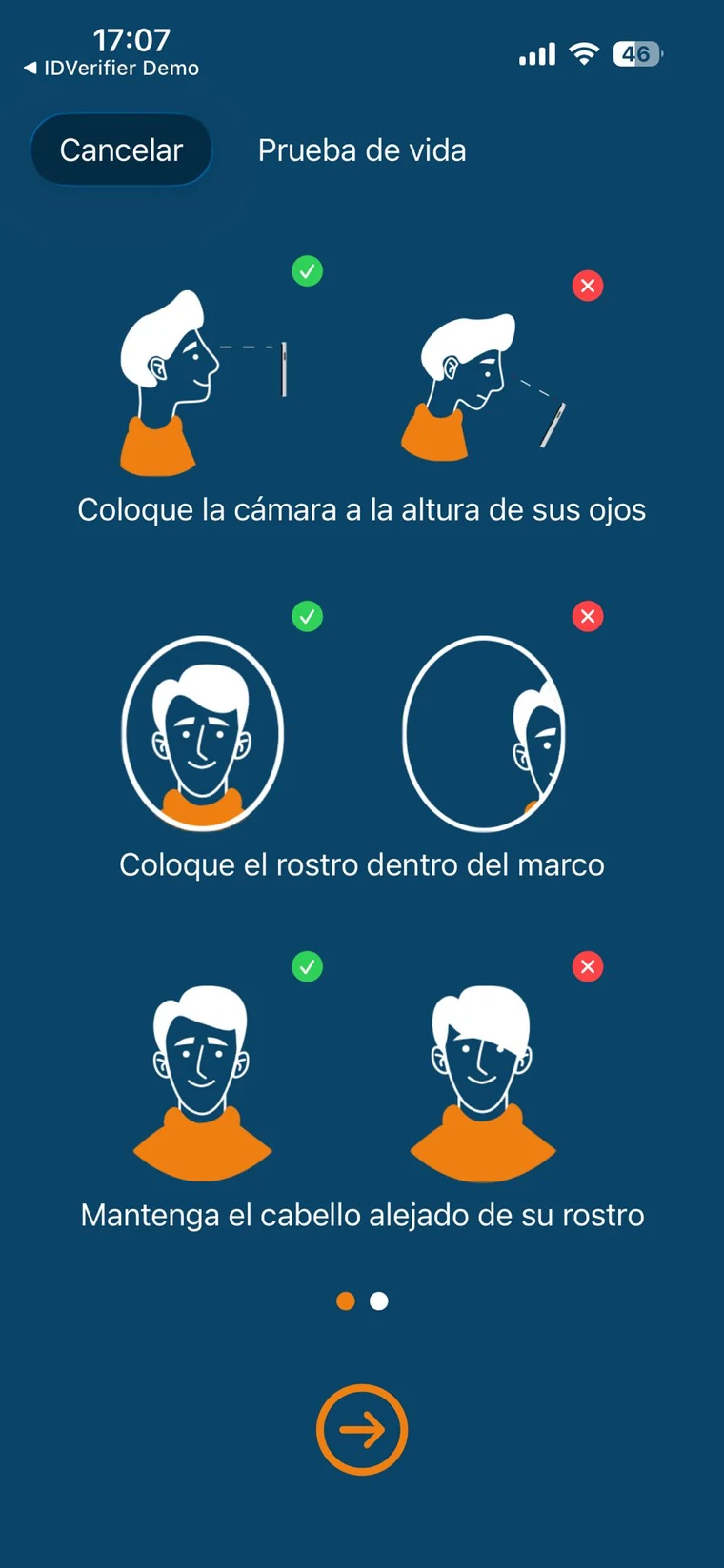
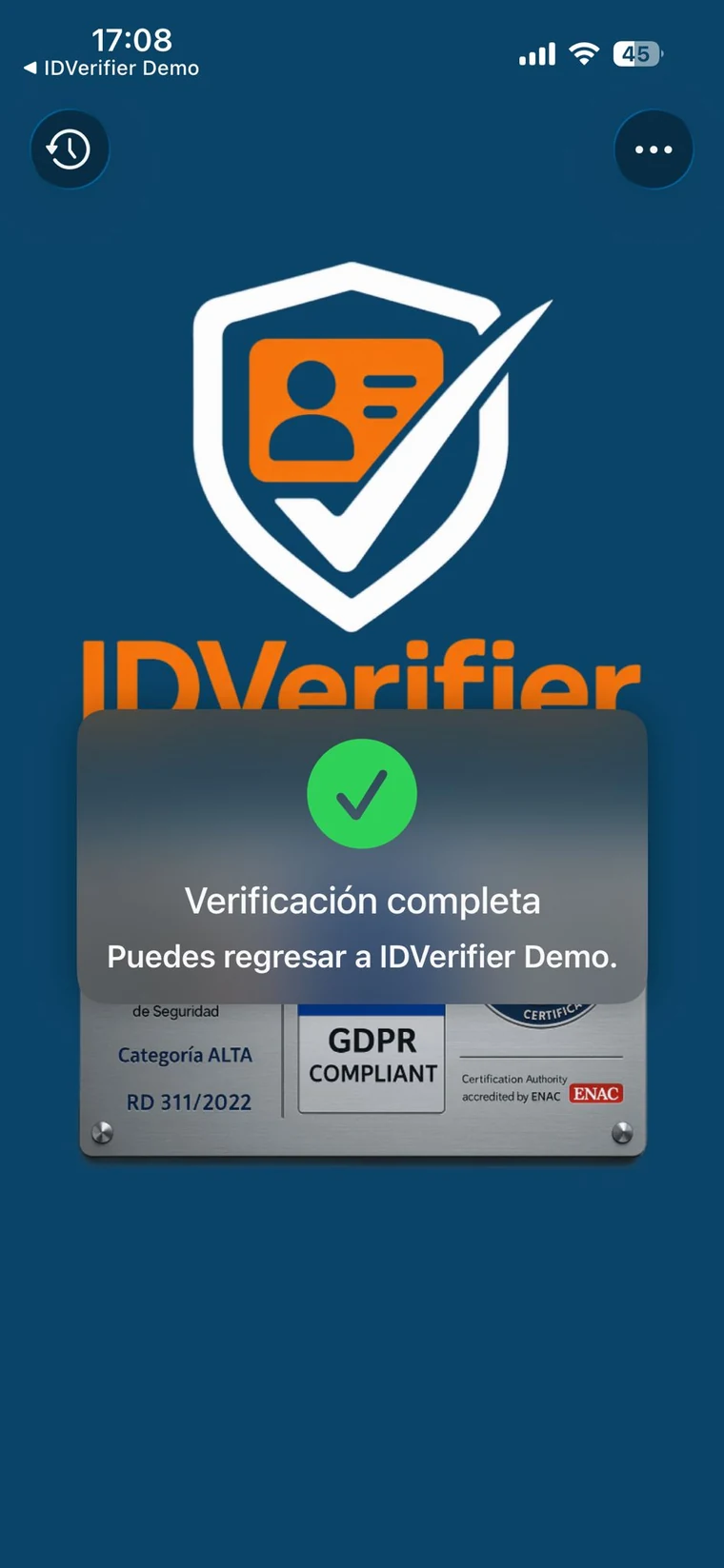
From the initial handoff to the signed outcome, the flow guides the user while keeping the sensitive moment on the device.
Move through the five real states of the flow and see what the user sees at each step.
Turn on only what you need. Add new capabilities without touching your application code.
Validate passports, driver's licenses and government IDs. Extract and verify data and security features.
Confirm the person matches their document and detect spoofing with liveness checks.
Estimate age from a facial scan to comply with age-restricted products and services.
End-to-end onboarding combining document, facial match and fingerprint in a single flow.
Re-authenticate users for sensitive operations with a quick biometric check (step-up).
IDVerifier keeps sensitive analysis on the device and returns a minimal, authorized and verifiable outcome to the client.
Capture, analysis and decision happen in memory, on the user's phone.
No biometric templates are stored in a persistent backend.
Only encrypted, short-lived messages travel between the phone and your system.
The client receives an authorized, encrypted and signed result — not a copy of the sensitive flow.
IDVerifier concentrates the critical flow into one integration surface to reduce dependencies, cross-QA and operational overhead.
Simple start, signed return path
The advantage is not adding another layer. It is cutting down dependencies around the verification moment.
const session = await idVerifier.start({ useCase: 'kyc-onboarding' });
const result = await session.verify({ channel: 'qr_or_sdk' });
if (result.status === 'verified') approveCustomer(result.token);The same on-device flow adapts to sectors where trust, compliance and fraud reduction are critical.
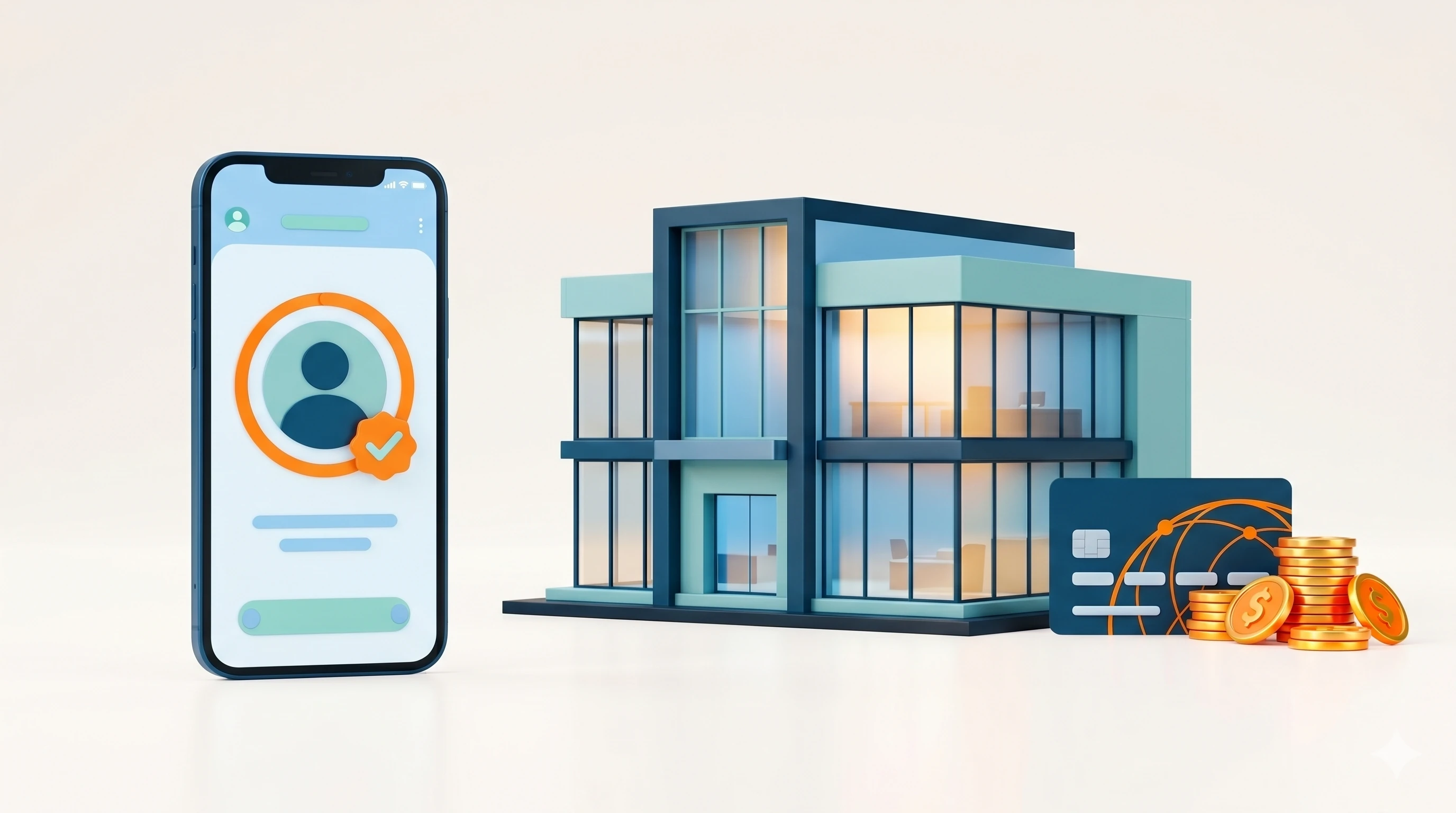
Remote onboarding, KYC and authorization of sensitive operations.
Less fraud at signup and in high-value operations, with no central biometric storage.
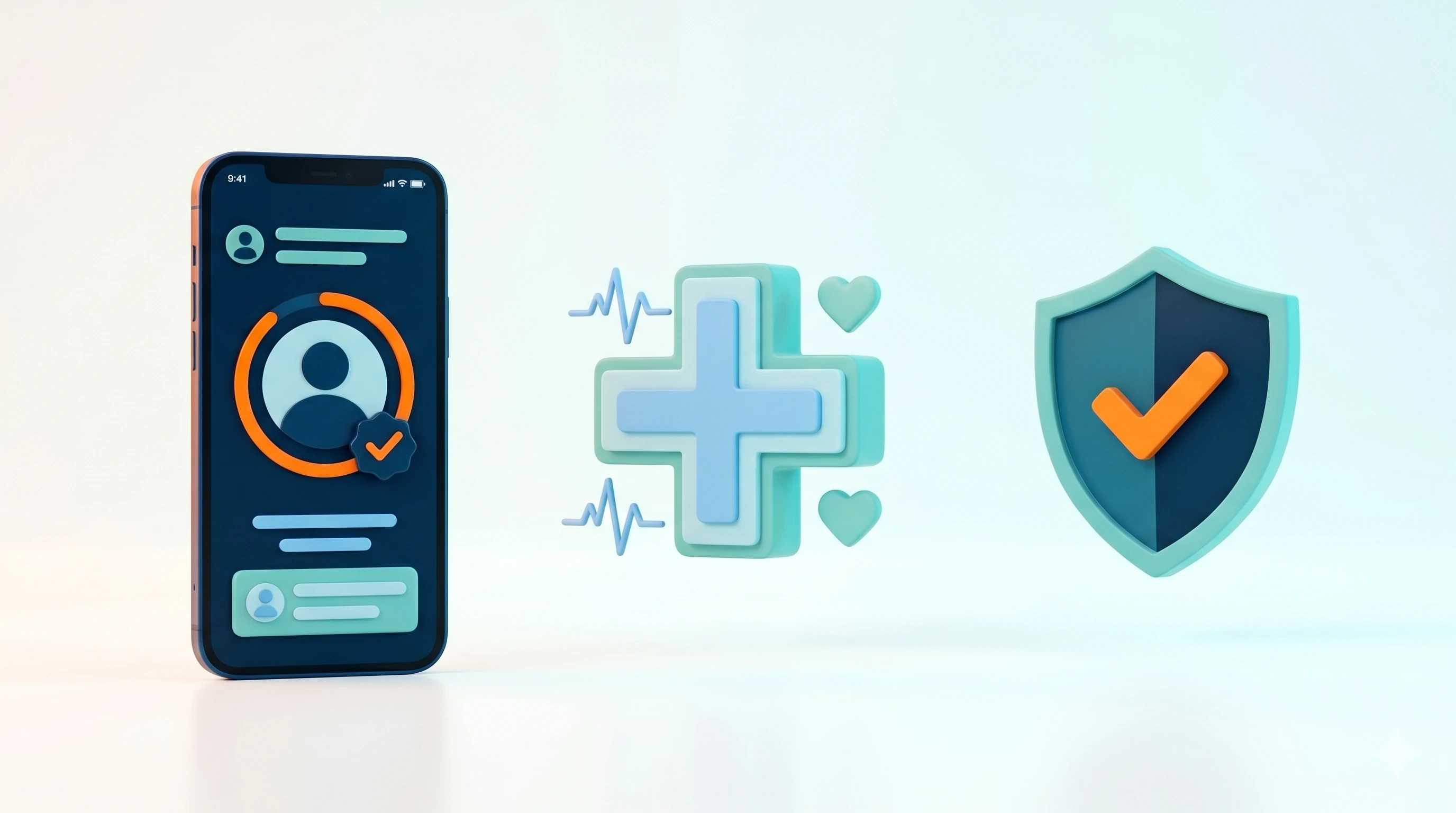
Secure access to records and privacy-preserving patient verification.
Privacy-preserving verification, without building a central repository of sensitive data.

Reduce fraud at signup and payment without hurting conversion.
Protects conversion and reputation with fast, frictionless verification.
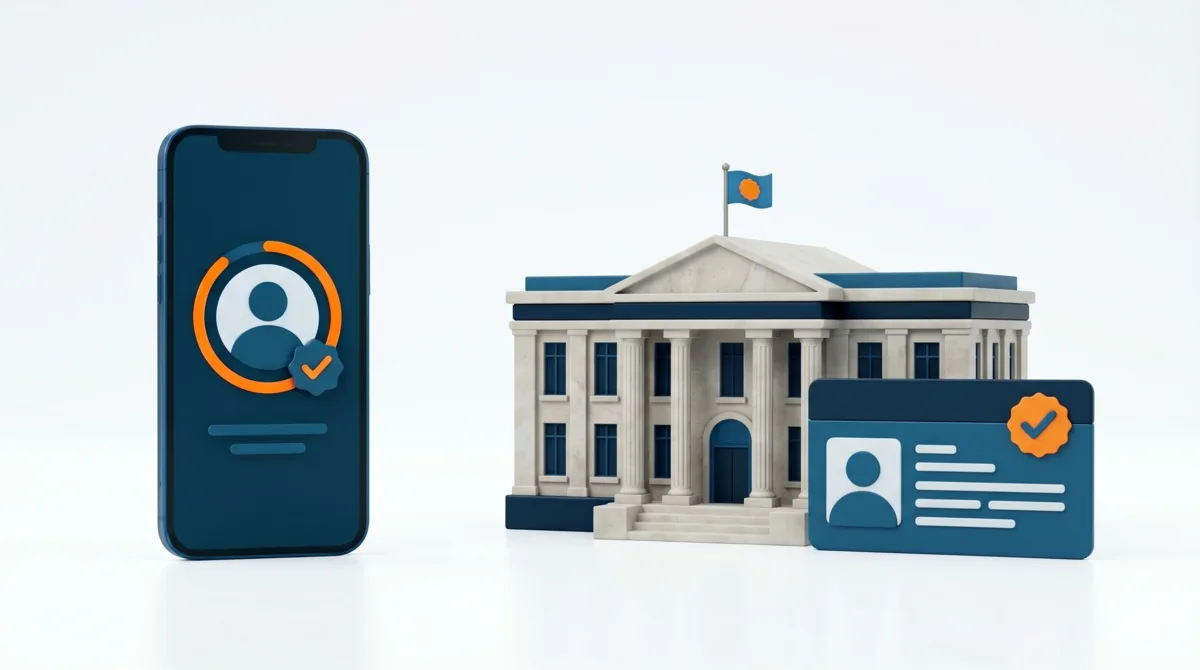
Digital identity for citizen services and procedures with ENS compliance.
Compliance and traceability without inflating centralized-storage risk.
On-device biometric authentication that removes identity-theft and unauthorized-access vectors.
Cut onboarding from minutes to seconds and reduce reliance on manual review.
Minimal data footprint, encrypted transport and explicit consent aligned with key frameworks.
Add or adjust capabilities without rewriting your app. Ready to grow across verticals.
The essentials on what IDVerifier does, how it integrates and how privacy is protected.
Our team answers technical and commercial questions about the Beta program.
Contact the teamDocument verification (passports, IDs, government documents), face biometrics with liveness, age estimation, full registration with facial match and fingerprint, and authorization of sensitive transactions (step-up).
All processing happens in memory, on the user's device. Biometric data is never stored centrally and never leaves the device in clear form.
With the IDVerifier SDK (web and mobile): it generates the link/QR, handles secure messaging, signing and decryption, and exposes every check through a simple API — so you integrate in little time. Prefer not to add an SDK? We also offer a direct integration to build it your own way. Either way, you never integrate multiple vendors' heavyweight biometric SDKs. The SDK is in preview during the Beta.
Verification runs through a mobile app for Android and iOS. The integrating client (web or native app) stays lightweight.
The architecture and operating model are designed to align with GDPR, ISO/IEC 27001, ISO/IEC 27701 and practices compatible with ENS High Level: minimal data footprint, encrypted transport, explicit consent and auditing without exposing personal data.
The product is in closed, invitation-only Beta. Request access in the form and we'll reach out for a demo and to assess your use case.
Tell us about your use case and we'll reach out for a demo and to assess your access to the closed Beta program.